Some mountain lodges photograph beautifully and then fall apart the moment you arrive: a lukewarm radiator, a road that closes with the first snowfall, a “ski-in” location that turns out to be a twenty-minute drive from the lifts. When you’re paying alpine prices for a week away, choosing the wrong mountain lodge can undo the whole trip. The good news is that the warning signs are almost always visible before you book — if you know where to look.
This guide walks you through the seven checks that separate a genuinely great lodge from a photogenic one. We’ll cover matching your lodge to the season, checking location, altitude and access, inspecting rooms, heating and amenities, reading reviews like a detective, understanding pricing, deposits and cancellation terms, timing your booking right, and finishing with a practical pre-booking checklist. Work through them in order, and you’ll book with far more confidence — and far fewer unpleasant surprises at check-in.
Match the Mountain Lodge to Your Season
Mountain lodges are not always open year-round, and this surprises more travelers than it should. Many close entirely during low seasons, typically in November and again in late April, when snow has melted but summer hikers have not yet arrived. Before you fall in love with a lodge’s photos, confirm it is actually operating during your travel window. A quick email asking about your exact dates can save you from a disappointing “closed for the season” reply.
What your season demands from a lodge
Winter trips, which in most European ranges run roughly December to April, come with a hard requirement: you need either ski-in access or a reliable shuttle to the lifts. Walking half a kilometer in ski boots through fresh snow is not charming, it is exhausting. Ask the lodge directly how guests reach the slopes on a snowy morning, and how they get back after a full ski day.
Summer trips, running June to September, shift the priority to trailhead proximity. If hiking is the point of your stay, you want to step out the door and be on a path within minutes, not drive twenty minutes each morning. A lodge that markets itself as a “mountain base” may actually sit far from the routes you plan to walk, so check a map before booking.
Season also shapes your budget. Expect winter rates to run 30-60% higher than summer rates, with Christmas and New Year as the absolute peak when prices climb furthest. If your dates are flexible, traveling in early December or late March can mean the same snow with noticeably smaller bills. Check current availability and pricing for your specific week, since rates shift year to year.
Check Location, Altitude and Access
Altitude shapes almost everything about a mountain lodge stay. Lodges above 1,800 m usually promise reliable snow through the ski season, but that same elevation makes road access harder in winter. Expect chain requirements on mountain roads and the occasional closure during heavy storms, so a lodge that looks 20 minutes from the valley on a map can take far longer after fresh snowfall.
Location on the map matters as much as the view from the window. A lodge can advertise “ski-in, ski-out” when the lift is actually a steep walk away, or claim “trail access” that means a drive to the trailhead. Before booking, verify exactly where the nearest lift or trailhead sits and how you would reach it in your boots, with your gear, in the season you are visiting.
Also think about what surrounds the lodge, not just what is inside it. In small mountain villages, services can shrink dramatically outside peak weeks. A pharmacy or grocery that stays open in February may close for part of the summer, and vice versa, so ask the lodge directly what operates nearby during your dates.
Here is what to confirm before you pay:
- Distance to the lift or trailhead: aim for one within 5 km, or confirm a free shuttle runs on a schedule that fits early starts and tired legs at the end of the day.
- Winter road reality: ask whether the access road is regularly plowed and gritted, whether you need snow chains or winter tires by law in that region, and whether the lodge offers parking at the bottom with a transfer up.
- Seasonal services nearby: check that a pharmacy, grocery store and at least one restaurant remain open during your travel window, especially in shoulder months when village businesses cut hours.
- Backup access plan: find out what happens if the road closes, whether the lodge helps stranded guests, and how far the nearest medical facility is for peace of mind at higher elevations.
Inspect Rooms, Heating and Amenities
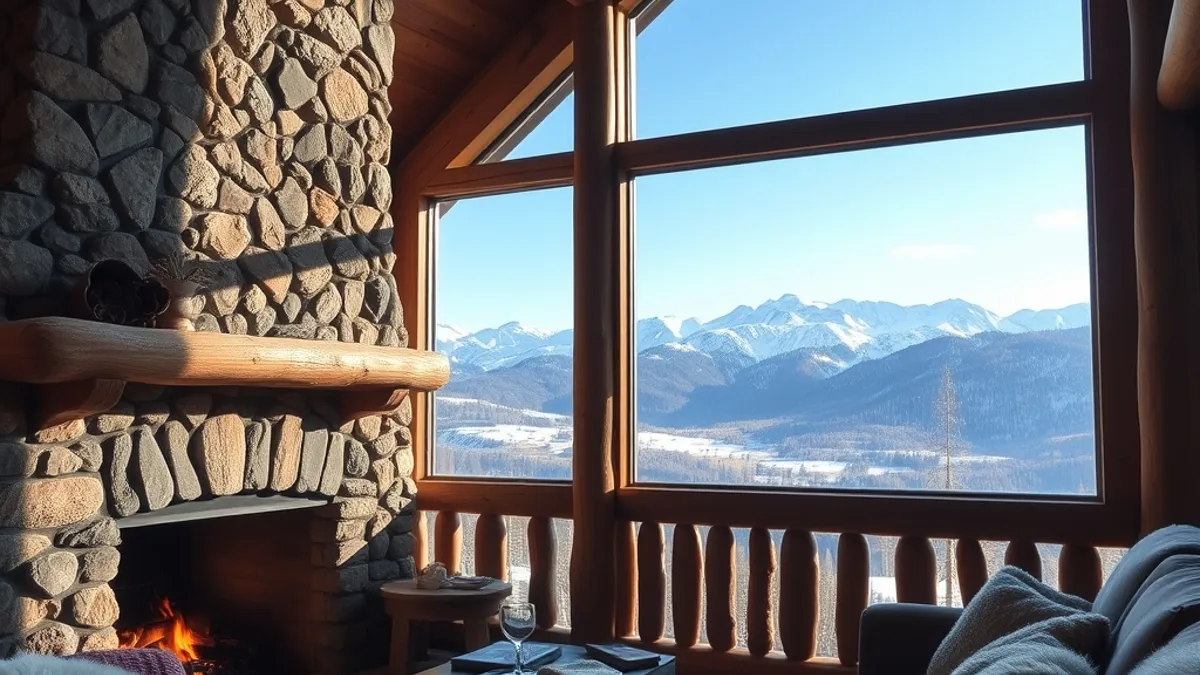
Rooms make or break a mountain stay, and photos on a booking site rarely tell the full story. Before you pay that deposit, message the lodge directly and ask pointed questions about heating and bedding. A lodge can look cozy in photos and still leave you shivering at 2 a.m.
Start with the heating system. Central heating should warm every room, not just the lobby and restaurant, and radiators or underfloor heating in the bedroom matter more than a decorative fireplace. If you’re visiting during the ski season, which in most European ranges runs roughly December to April, also ask about heated boot racks and a drying room. Wet gloves and boots that stay damp overnight can ruin the next day on the slopes.
Then get specific about the room itself. Ask whether the “double bed” is a real double or two singles pushed together, a common setup in Alpine countries, and whether sofa beds count as sleeping places for your group. Confirm the bathroom is en-suite rather than down the hall, and ask about soundproofing if you’re a light sleeper, since wooden lodges can carry every footstep.
Finally, be honest about which amenities you’ll actually use. A sauna you visit once is wasted money if a cheaper room elsewhere covers the basics. A short list to run through:
- Sauna or hot tub: ask whether they’re included in the rate, open daily, and whether you need to book a slot, since small lodges often limit sessions in high season.
- Ski storage and boot room: heated, lockable storage near the entrance saves you hauling wet gear up to your room every evening.
- Breakfast service: check whether it’s a cooked buffet, a simple continental spread, or a basket left at your door, and what time it starts, since early lift openings demand an early meal.
- In-room extras: kettles, fridges and reliable Wi-Fi matter more than a TV if you plan to prep snacks and work remotely on rest days.
Read Reviews Like a Detective
Reviews can make or break a booking decision, but only if you read them with a critical eye. A single glowing testimonial on the lodge’s own website tells you nothing. Go to independent platforms and treat the numbers as a starting point, not a verdict. As a rule of thumb, a rating below 4.0/5 or fewer than 50 total reviews deserves extra scrutiny before you commit your deposit.
Small sample sizes hide problems. A lodge with 12 reviews might have three enthusiastic ones from the owner’s friends, while a place with hundreds of comments gives you a real pattern to work with. Low ratings are not automatically disqualifying either. Sometimes a 3.8 reflects one angry guest complaining about the weather, which no lodge can control. Read the actual text before judging.
Timing matters more than the score itself. Sort or filter reviews for the months you plan to travel, because a July guest raving about the wildflower views tells you little about what February feels like in the same building. Seasonal differences in mountain lodges are enormous, and the same room can be charming in summer and miserable in deep winter.
Finally, prioritize recent comments over dated ones. A lodge under new management may have fixed old complaints, while a once-great property may have slipped. Pay special attention to what recent guests say about the practical stuff.
- Heating: Look for comments on whether rooms warmed up quickly and stayed warm overnight, and whether guests were charged extra for heating.
- Hot water: Check if multiple guests mention lukewarm showers or water pressure dropping when the lodge is full.
- Road access: Recent winter guests often describe whether the access road was plowed promptly and whether they needed chains or a 4WD vehicle to reach the parking lot.
- Owner responsiveness: See how management replied to negative reviews, since a defensive or dismissive response is a warning sign in itself.
Understand Pricing, Deposits and Cancellation Terms
Mountain lodge pricing looks simple on the surface, but the final bill often includes more than the nightly rate you saw when searching. A lodge that seems like a bargain can quietly become expensive once deposits, meal plans, local taxes and cancellation rules come into play. Before you confirm any booking, take ten minutes to read the fine print and compare offers on equal terms. Ask the lodge to send a full price breakdown in writing so you know exactly what you are committing to. Here is how to do it.
- Budget for the deposit. Most lodges ask for a deposit of 20-30% of the total price at the time of booking, and many expect it within 48 hours of your reservation. Have a card ready and check whether the deposit is deducted from the final bill or charged on top of it. Also confirm which payment methods are accepted, since some smaller lodges only take bank transfers.
- Compare what the rate actually includes. Two lodges with similar nightly prices can end up costing very different amounts. Check whether breakfast, half-board dinners, cleaning fees, tourist taxes and final linens are part of the rate or billed separately. A lodge with meals included may be cheaper overall than one that looks less expensive per night, especially in remote areas where dining options are limited and a taxi to the nearest restaurant adds up quickly.
- Read the cancellation window carefully. Flexible rates typically cost more per night, but they protect you if a storm closes roads or your plans shift. Cheaper non-refundable rates can make sense for firm dates, but ask exactly when the balance is due and what happens if you cancel after that point. Get the cancellation deadline in writing rather than relying on a phone conversation.
Once you know the true cost and the terms behind it, you can compare lodges fairly instead of being lured by the lowest headline rate. A slightly higher price with generous cancellation terms often turns out to be the better deal, especially in winter when weather and travel plans are harder to predict. If anything in the terms is unclear, email the lodge before paying and keep their written reply for reference.
Time Your Booking Right
Timing matters more in the mountains than almost anywhere else you might book a stay. For a regular winter week during the December to April season, aim to reserve your lodge three to six months ahead. That window gives you a real choice of rooms without paying the panic premium of last-minute availability.
Christmas and New Year are a different animal entirely. The most desirable lodges in the biggest ski areas often sell out their holiday weeks six to twelve months in advance, and they fill from the top down, meaning the best-located, best-reviewed properties go first. If a slopeside chalet with a sauna is on your wish list, waiting until autumn is a gamble you will usually lose.
Refundable rates are your friend while plans are still fluid. Book a flexible rate as a placeholder, then confirm flights and group numbers before the cancellation deadline passes. You lose a little in rate cost but gain the ability to walk away if the group falls apart.
A few practical ways to work the calendar in your favor:
- Set a calendar reminder for the exact date your booking window opens, since popular lodges sometimes release holiday inventory on a set day and the largest units go within days.
- Book refundable even when plans look solid, because a friend’s job change or a flight schedule shift can ripple through a group trip months later.
- Ask the lodge directly about waitlists for sold-out weeks; cancellations do happen, and small properties often call their list first before reopening the room online.
- Watch for early-booking offers, as some lodges reward guests who commit far ahead with a modest discount or a free extra like breakfast.
Your Pre-Booking Checklist
A great mountain lodge is rarely the one with the prettiest photos. It is the one that fits your season, sits at the right altitude with sensible access, keeps you warm when it matters, and backs it all up with honest reviews and fair deposit terms. Work through those checks in order and the photogenic-but-risky options filter themselves out quickly.
Timing does the rest. Booking 3-6 months ahead for peak winter weeks, or 6-12 months for Christmas and New Year, locks in the best rooms and rates before they disappear. Take an hour with this checklist before you pay that deposit, and your alpine trip will thank you. If this helped, leave a comment or share the article with a fellow traveler.