Booking an all-inclusive resort sounds simple: one price, everything covered. But many travelers discover at checkout that the spa treatment, that bottle of wine, or the third dinner at the specialty restaurant came with a surprisingly hefty bill. If you have ever wondered what your rate actually covers, you are not alone. All-inclusive packages vary more from one resort to the next than most people realize, and the fine print matters.
This guide walks you through what an all-inclusive resort package typically covers, from dining and drinks to activities and entertainment. We will flag the common extras that usually cost more, explain how premium drinks and specialty dining caps work, and show you how to compare packages and tiers before booking. By the end, you will know exactly what to look for, so the price you see is close to the price you pay.
What Does an All-Inclusive Resort Package Actually Cover?
At its core, an all-inclusive package bundles the essentials of your vacation into one upfront price. You pay for your room, and that rate covers all your meals, snacks throughout the day, and unlimited drinks — both local alcoholic options like beer, cocktails and house wines, and non-alcoholic choices such as sodas, juices and coffee. You order, sign nothing, and move on with your day.
Beyond food and drink, most resorts fold in the basics of beach and pool life. Loungers and umbrellas, beach towels, and access to non-motorized water sports like kayaking, paddleboarding and snorkeling gear are typically part of the deal. You can grab a kayak after breakfast or float in the pool all afternoon without reaching for your wallet.
What you get for the higher nightly rate
The trade-off is price. All-inclusive rates typically run 20-40% above room-only pricing at the same property. That sounds steep until you add up what you would otherwise spend on three restaurant meals, a round of cocktails and a few activities each day — at many resorts, the math favors the bundle, especially for families and anyone who plans to stay on-site most of the trip.
The real value is predictability. Your accommodation, dining and drinks are locked in before you leave home, so the only surprises at checkout are the extras you deliberately chose, like a spa treatment or an excursion. If you like knowing what a vacation will cost before you book, that certainty is the main reason travelers pick all-inclusive over room-only in the first place.
Dining and Drinks: What’s Included and What Counts as Premium
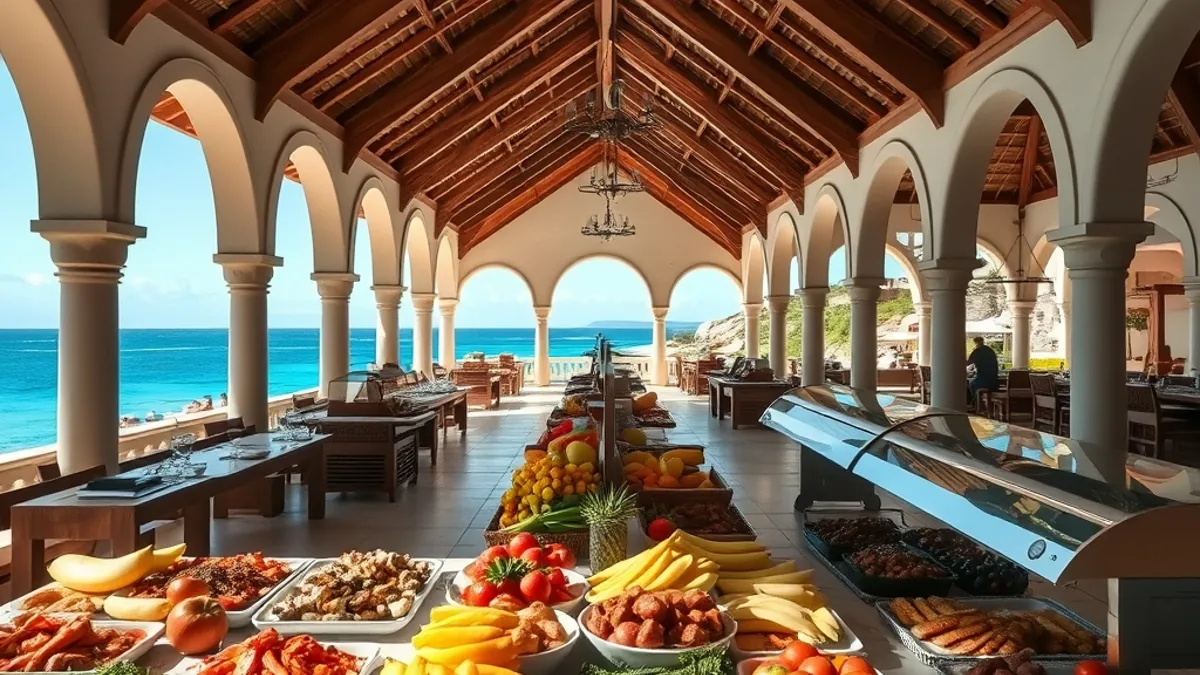
Food is the heart of most all-inclusive stays, and the buffet is where you’ll get the most value. Buffet restaurants are typically unlimited: show up as many times as you like, for breakfast, lunch and dinner, and take what you want. They’re also the most forgiving option for families with picky eaters, since everyone can build their own plate.
Specialty or à la carte restaurants work differently. These sit-down venues, often Italian, Japanese, steakhouse or seafood themed, usually require reservations made through an app, concierge desk or guest services, and many resorts limit you to one or two visits per week-long stay. Book early in your trip, because popular time slots fill up fast, and ask whether there’s a dress code before you pack for dinner.
Drinks follow a similar tiered system. Your base package generally covers house spirits, local beers, house wines and standard cocktails, while premium brands sit behind an upgrade. Room service is included at many resorts, but at others it may run limited hours, offer a reduced menu or carry a surcharge, so it’s worth confirming the details at check-in.
Here’s where the line between included and premium usually falls:
- Top-shelf liquors: Name-brand spirits are often reserved for upgraded packages or club-level lounges, while the standard bars pour house labels.
- Imported wines: House wine by the glass is typically included, but bottled imported wines usually appear on a separate menu with per-bottle pricing.
- Specialty coffees: Regular drip coffee and espresso machines at the buffet are generally covered, while dedicated coffee shops serving crafted drinks may charge or sit inside a premium tier.
- Champagne and aged spirits: Some resorts include sparkling wine freely, while true champagne and rare aged rums or whiskeys are almost always billed separately.
Activities and Entertainment Included in the Price
Most all-inclusive resorts pack their daytime schedule with included activities, and this is where the value really shows. You can typically join morning fitness classes like yoga or aqua aerobics, take part in pool games organized by the activities team, or jump into a beach volleyball match without paying anything extra. Non-motorized water sports such as kayaking, paddleboarding and snorkeling gear are usually part of the deal too, so you can fill entire days without opening your wallet.
What happens after sunset
Evenings bring a second round of entertainment. Live shows are the norm at larger resorts, ranging from dance productions and acrobatic acts to karaoke and guest-participation contests. Themed nights are common as well, think beach parties, Mexican fiestas or white-clothing evenings, often paired with special buffet setups. Many properties also bring in DJs or live bands for dancing, and some larger resorts run several bars with different evening atmospheres so you can pick between a lively poolside scene and a quieter lounge.
Families should pay attention to the kids’ club schedule, which is generally included in the rate. Most resorts serve children ages 4-12, with supervised activities like crafts, treasure hunts and mini discos. Larger properties often add dedicated teen lounges with video games and social spaces, plus family activities such as movie nights or group games that parents and kids can do together.
One practical tip: grab the daily activity schedule from the front desk or the resort app each morning. Popular activities and shows can fill up, and knowing what time the beach party or trivia hour starts makes it much easier to plan your day around the included fun.
Common Extras That Usually Cost More
Even the most generous all-inclusive package has boundaries, and knowing where they fall saves you from a surprise bill at checkout. A few categories sit outside almost every base rate, no matter how upscale the resort. Motorized water sports like jet skiing, parasailing and banana boat rides are nearly always billed separately, as are spa treatments, scuba diving and any off-site excursions such as catamaran cruises, zip-lining tours or visits to local towns and ruins.
Smaller charges can sneak in, too. Many resorts now offer a basic Wi-Fi tier for free but charge for a faster premium tier, which matters if you plan to stream or work remotely. Laundry service is another common add-on, and if you burn through your allowed visits to the specialty restaurants, additional à la carte dinners typically carry a fee or require a package upgrade.
Tipping works differently at every property, so it pays to ask at check-in. At many resorts, gratuities are already included in the nightly rate, so tipping is optional. That said, a small gesture goes a long way with the staff who serve you all week, and $1-5 per service is customary and genuinely appreciated at many resorts, especially for bartenders, servers and housekeeping.
- Scuba diving: Some resorts include a free introductory pool lesson, but certification courses, tank rentals and open-water dives are almost always charged as extras, so budget for them if diving is a priority.
- Off-site excursions: Tours booked through the resort’s tour desk tend to cost more than independent local operators, so it can pay to compare prices before signing up.
- Premium Wi-Fi: If a fast connection is essential, confirm before booking whether it’s included in your package tier or sold as a daily add-on.
- Spa treatments: Prices for massages and facials at resort spas often run well above what you’d pay at an independent salon in town, so book off-property if you want to save.
- Tipping etiquette: Bring a stash of small bills in the local currency or US dollars, since staff may not always be able to break larger notes or charge tips to your room.
How to Compare All-Inclusive Resort Packages Before Booking
Two resorts can carry the same star rating and sit on similar beaches, yet deliver very different experiences depending on which package you actually book. The resort name on the brochure matters less than the fine print of the rate you’re looking at. Before you pay, read the package description line by line and note exactly what it spells out.
Start with drinks. A package that says “unlimited beverages” may only cover house-brand spirits and local beer, while a tier or two up includes imported liquors and better wines. Then look at dining: how many specialty restaurants does the property have, and how many visits does your specific package allow? Finally, check the fine print on logistics like transfers, which are easy to overlook until you land.
Confirm the details that vary by package
Airport transfers are a good example of why this matters. Roughly half of all-inclusive resorts include them free, but the other half expect you to arrange your own ride, and a taxi from a distant airport can add up quickly. If transfers aren’t listed in your package, ask the resort directly or price out a private shuttle before you book. The same logic applies to drink tiers and restaurant access: if the booking page doesn’t specify, email and get it in writing.
Timing your booking
When you book matters almost as much as what you book. Reserving 3-6 months ahead usually secures the best rates on all-inclusive packages, and that window matters even more for high-season travel: December through April in the Caribbean, and June through August in the Mediterranean. During those months, the best-value room categories at popular resorts tend to sell out early, and last-minute deals are far less predictable than many travelers assume.
One last habit worth building: screenshot or save the full inclusions list at the time of booking. If anything differs when you check in, you’ll have documentation of exactly what you purchased.
Choosing Between Standard, Premium and Family All-Inclusive Tiers
Most all-inclusive resorts sell their packages in tiers, and the differences between them usually come down to drinks and dining. A standard tier typically covers local beers, house wines, cocktails made with local spirits, and unlimited buffet meals. If you’re happy with a rum punch by the pool and a varied buffet each night, the base package often delivers solid value.
Premium tiers step things up. They usually include top-shelf and imported spirits, a wider wine list, and more visits to specialty à la carte restaurants than the base package allows. If you plan to book multiple specialty dinners during a week-long stay, upgrading can work out cheaper than paying per visit, though it’s worth comparing the package details before you commit.
Family Resorts vs. Adults-Only Properties
Family-focused all-inclusives build their packages around kids’ clubs for ages 4-12, often with teen programs at larger properties, and they tend to offer multi-bedroom suites so parents and children get real space. Expect splash zones, family pools and kid-friendly buffet sections as standard. Adults-only properties trade all of that for quieter pools, calmer bars and a generally more relaxed atmosphere, which is why couples often pay a bit more for the same star rating.
At the very top of the range sit overwater villas and penthouse-style suites. These often bundle butler service, private decks or plunge pools, and priority reservations at specialty restaurants. Some properties market these as separate club or diamond tiers, so check exactly what the upgrade includes. For a sense of what a top-tier oceanfront stay looks like, this oceanfront penthouse with a horizon deck shows the kind of space and views the highest categories aim for.
The Bottom Line on What All-Inclusive Resorts Include
An all-inclusive resort package, at its core, bundles your lodging, meals, local drinks and basic activities into one upfront price. The main upgrade decision comes down to premium dining and top-shelf drinks, which base tiers usually cap at 1-2 visits or exclude altogether. If you know what your package covers before you arrive, that surprise line item at checkout mostly disappears.
The costs that still catch travelers off guard tend to be the same across most properties: motorized water sports, spa treatments and off-site excursions almost always sit outside the rate. Comparing package tiers carefully and booking 3-6 months ahead is the clearest path to pricing you can actually predict. If this guide helped you sort out what’s included, leave a comment or share it with someone planning a trip.