“Unlock the power of data with customizable reports and dashboards in CRM software.”
Custom Reports and Dashboards are essential features in CRM (Customer Relationship Management) software that allow users to analyze and visualize data in a personalized and meaningful way. These tools enable businesses to gain valuable insights into their sales, marketing, and customer service activities, helping them make informed decisions and drive growth. With custom reports, users can create and customize reports based on specific criteria, such as sales performance, customer behavior, or campaign effectiveness. Dashboards, on the other hand, provide a visual representation of key metrics and data, allowing users to monitor real-time information at a glance. Together, custom reports and dashboards empower businesses to track progress, identify trends, and optimize their CRM strategies for improved efficiency and success.
How to Create Custom Reports and Dashboards in CRM Software
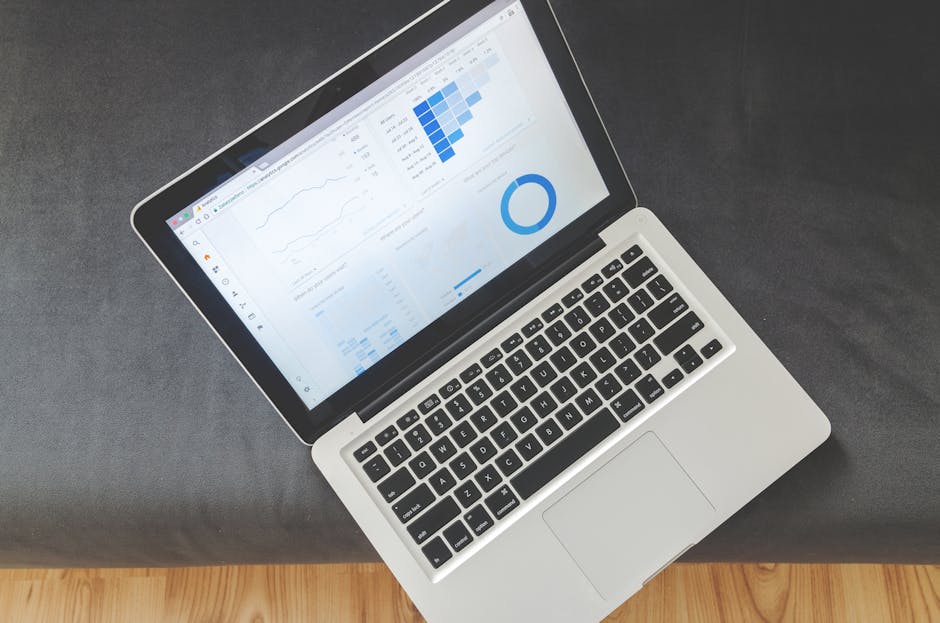
CRM software is a powerful tool that helps businesses manage their customer relationships effectively. One of the key features of CRM software is the ability to create custom reports and dashboards. These reports and dashboards provide valuable insights into the business’s performance and help make informed decisions. In this article, we will discuss how to create custom reports and dashboards in CRM software.
To begin with, it is important to understand the difference between reports and dashboards. Reports are detailed summaries of data that provide a comprehensive view of various aspects of the business. On the other hand, dashboards are visual representations of data that provide a quick overview of key metrics and performance indicators. Both reports and dashboards are essential for monitoring and analyzing business performance.
Creating custom reports and dashboards in CRM software is a straightforward process. Most CRM software comes with built-in tools and features that allow users to customize reports and dashboards according to their specific needs. The first step is to identify the key metrics and performance indicators that are important for your business. This could include sales revenue, customer acquisition rate, customer satisfaction, or any other relevant metrics.
Once you have identified the key metrics, you can start creating custom reports. In CRM software, you can usually find a report builder tool that allows you to select the data fields you want to include in the report, apply filters and sorting options, and choose the visual representation of the data. You can also add calculations and formulas to the report to perform complex analysis.
When creating custom reports, it is important to keep in mind the audience for the report. Different stakeholders may have different requirements and preferences when it comes to data presentation. For example, the sales team may prefer a visual representation of sales revenue over a detailed spreadsheet. Therefore, it is important to customize the report according to the needs of the audience.
After creating custom reports, you can move on to creating custom dashboards. Dashboards are a great way to visualize key metrics and performance indicators in a single view. Most CRM software allows users to drag and drop data fields onto the dashboard and arrange them in a visually appealing manner. You can also add charts, graphs, and other visual elements to make the dashboard more engaging.
When creating custom dashboards, it is important to choose the right visual elements that effectively communicate the data. For example, a line chart may be suitable for showing trends over time, while a pie chart may be more appropriate for showing the distribution of sales by product category. It is also important to keep the dashboard clean and uncluttered, so that the key metrics are easily visible and understandable.
In conclusion, creating custom reports and dashboards in CRM software is a valuable feature that allows businesses to gain insights into their performance and make informed decisions. By identifying the key metrics and performance indicators, customizing the reports and dashboards, and choosing the right visual elements, businesses can effectively monitor and analyze their performance. So, if you are using CRM software, make sure to take advantage of the custom reports and dashboards feature to optimize your business performance.
Q&A
Q: What are custom reports and dashboards in CRM software?
A: Custom reports and dashboards in CRM software are tools that allow users to create and view personalized reports and visualizations of their data. These features enable users to analyze and track key metrics, monitor performance, and make data-driven decisions.In conclusion, custom reports and dashboards in CRM software provide businesses with valuable insights and visual representations of their data. These features allow users to analyze and track key metrics, make informed decisions, and improve overall business performance. By tailoring reports and dashboards to specific needs and preferences, CRM software enables organizations to effectively monitor and optimize their sales, marketing, and customer service activities.