Figuring out the best season for glamping in Europe is trickier than it sounds. You want warm nights under canvas, but you also want to avoid peak-summer prices and campsites packed with families. The good news: those two goals don’t have to conflict. In most of Europe, the shoulder months of May, September and early October deliver mild weather with rates roughly 20-40% below peak, while upscale tents typically run €120-250 a night compared with €250-450 in July and August.
This month-by-month guide breaks down exactly what each season offers. We’ll explain how Europe’s glamping seasons work, then walk through spring, summer, autumn and winter, from Mediterranean coasts comfortable from April to October to the short Nordic and Alpine window of roughly June to early September. We’ll also cover when to book, why peak-season trips need a 4-6 month lead time, and how to choose the season that fits your travel style.
How Europe’s Glamping Seasons Work
Europe doesn’t have one glamping season — it has three, and they overlap far less than most first-time glampers expect. The continent roughly splits into zones: the Mediterranean, where the season stretches from April to October; the Central and Alpine belt, with a reliable core from May to September; and the Nordic countries, where the window narrows to roughly June and early September. Knowing which zone you’re aiming for is the first step to picking the right dates.
Why the differences? Latitude and altitude. Southern Spain, coastal Italy and the Greek islands stay warm long after the Alps have cooled down, while Scandinavian sites can’t safely open before early summer. A safari tent that operates year-round in Andalusia may only welcome guests for three or four months in Norway, so availability up north is limited no matter when you go.
Peak season: great weather, tight budgets
Across most of the continent, peak season runs from June to August, and it brings the highest prices of the year. The weather is at its best, but so is demand: family holidays, festivals and school breaks all collide, so the most attractive units at popular sites often sell out well in advance. If you’re set on July or August, expect to plan early and pay for the privilege.
The shoulder-month sweet spot
For most travelers, the shoulder months are where the smart money goes. May, September and early October combine mild weather with prices roughly 20-40% below peak, thinner crowds and landscapes at their most photogenic — spring greenery in May, harvest colors in September. The trade-off is slightly less predictable weather, especially in the north, but in the Mediterranean zone these months are often better than high summer anyway. If your dates are flexible, shifting a trip by a few weeks can cut a third off your bill.
Month-by-Month: Spring (March to May)
March is the tricky month in this stretch. Outside the far south, most of Europe is still cold, wet, and uninviting for canvas or dome stays, and many seasonal glamping sites simply have not opened yet. If you want a March trip without gambling on the weather, southern Spain and Portugal are the reliable choices, with dry, sunny days that make an early-season escape genuinely pleasant.
April is when the Mediterranean season properly opens. Daytime highs of 18-22°C across coastal Spain, southern France, Italy, and Greece mean you can sit outside in the evening without shivering, and the sea is still too cool for most swimmers, which keeps the beaches and coastal sites quiet. April also tends to be one of the driest months in these regions, so rain disruptions are less of a worry than in autumn.
May, for many glamping regulars, is the single best month of the year. You get long daylight hours, landscapes at their greenest, comfortable 20-25°C days across most of the continent, and shoulder pricing that undercuts the summer peak. Even in the Alps and parts of Central Europe, early-season sites start opening as the snow retreats, so your options widen considerably.
- Pack layers even for May trips in the Alps or Nordics: nights can still drop near single digits, and a good sleeping bag or site-provided duvet makes a real difference.
- Check whether a site has full facilities open in April or May, since some Mediterranean and Alpine operators run reduced services (limited kitchens, closed pools) before the main season.
- Easter dates shift each year and can create a short, local booking spike in Spain, Portugal, and Italy, so reserve early if your April trip overlaps with it.
- Spring showers are a real possibility in Central Europe and the UK even in May, so favor sites with solid, weatherproof structures like domes or cabins over basic tents if rain would ruin your trip.
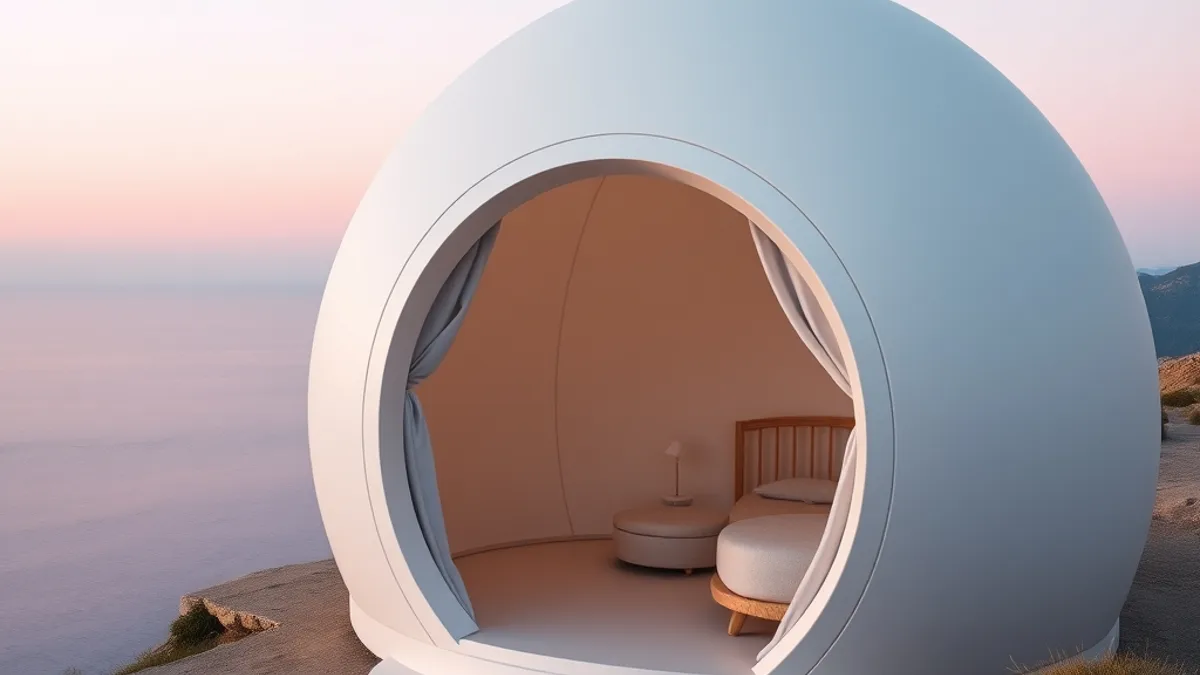
Month-by-Month: Summer (June to August)
June is arguably the best month of the entire year for glamping in Europe. Daylight stretches late into the evening, the Mediterranean starts to feel properly warm for swimming, and most sites still price their units below peak levels. You get the summer experience without the summer premium, and popular locations rarely feel crowded yet.
July and August are a different story. This is peak season everywhere: schools are out, demand spikes, and upscale sites routinely charge €250-450 per night. Availability gets tight fast, so plan well ahead if you want a specific dome, safari tent or treehouse in a sought-after region.
One exception to the heat: northern Scandinavia. The midnight sun shines from late May to late July, meaning you can hike, swim in a lake or simply sit outside your tent at midnight with full daylight. It’s a surreal glamping experience you can’t get anywhere else in Europe.
Mediterranean August, meanwhile, can push past 35°C inland. If you’re glamping that month, choose your site carefully:
- Coastal sites catch sea breezes that keep tents several degrees cooler than inland locations, and the sea is at its warmest for daily swims.
- Mountain and Alpine sites offer naturally cooler nights, often cool enough for a blanket after a hot day.
- Shaded units such as canvas lodges under tree cover stay noticeably more comfortable than open-clearance domes exposed to full sun.
- Site amenities like pools or river access become genuinely useful in August, not just a bonus — check what’s on-site before booking.
Month-by-Month: Autumn (September to November)
If you can only pick one glamping month, make it September. The Mediterranean still feels like summer, with sea temperatures at their warmest of the year, while vineyards and orchards across France, Italy and Spain fill with harvest festivals that turn an ordinary evening around the fire into something memorable. Best of all, rates slide back toward shoulder levels of roughly €120-250 per night, so you get peak-summer conditions without peak-summer prices.
Early October keeps the story going in the south. Coastal sites in Spain, Portugal, Greece and southern Italy typically see daytime highs around 20-24°C, warm enough for lazy afternoons on the deck and even a final swim. Further north, Central Europe turns crisp and colorful, with amber forests around Alpine and lakeside sites making it a great month for photographers and hikers who don’t mind cooler evenings.
November is the awkward gap month. Most seasonal sites close, and the weather rarely cooperates anywhere but the far south. Your practical choices narrow to heated geodesic domes with proper insulation and wood stoves, or southern coastal sites in Andalusia, the Algarve and the Greek islands that stay mild year-round. Pack layers and check heating details before booking.
- Harvest season perks: September stays often run grape stompings, olive and apple festivals, or farm-to-table dinners on site — ask when booking, since many are one-weekend events.
- Shorter days, cozier setups: By late October you’ll want a fire pit or stove-equipped unit, as sunset in Central Europe can arrive before 6 pm.
- Rain is the wildcard: Mediterranean sites often offer covered terraces or indoor lounges; confirm these exist if you’re traveling in October or November.
- Shoulder booking windows: September trips usually need 2-3 months of lead time, while a November heated-dome stay in the Alps can often be booked much closer to arrival.
Month-by-Month: Winter (December to February)
Winter sounds like the wrong time for glamping until you realize how far heated units have come. Geodesic domes with wood stoves, underfloor heating and insulated panels, plus timber cabins with proper fireplaces, now make the Alps and much of Scandinavia genuinely comfortable from December through March. You sleep warm in a proper bed while snow falls outside the clear dome panels, which is a completely different experience from a summer canvas tent.
The trade-offs are real, though. Days are short, especially in the north, where you may get only 6-8 hours of usable daylight. Some remote sites reduce services or close midweek in the quiet months, so confirm what’s operating before you commit. On the plus side, rates sit well below the summer peak, and sites that stay open in winter often run midweek specials.
If cold isn’t your thing, head south. Southern Spain and Portugal typically hold daytime temperatures around 15-18°C in winter, dry and sunny enough for regular canvas tents and unheated units. These are the easiest winter glamping destinations in Europe, and coastal Andalusia and the Algarve are the classic picks.
- Book domes with three heat sources, not one. A wood stove alone can die overnight; the best winter units pair it with electric underfloor heating and thick insulated flooring so you’re never dependent on refueling at 3 a.m.
- Check access, not just the tent. Snow can make gravel access roads tricky for regular cars; ask whether the site clears its paths and whether you’ll need winter tires or chains for the final stretch.
- Plan activities around the short daylight. In Nordic sites, treat the dark hours as a feature: heated outdoor saunas, hot tubs under the stars, and, with some luck, northern lights from your bed through the dome.
- Pack for the temperature swing, not the daytime high. Even in southern Spain, evenings can drop near single digits, so a proper sleeping setup and layers matter more than in summer.
When to Book: Lead Times and Pricing Strategy
Glamping rewards early planners, especially in summer. For July and August trips, aim to book 4-6 months in advance. The best units at popular sites—the safari tents with sea views, the treehouses with private hot tubs—sell out first, and by spring you are often choosing from what nobody else wanted.
Shoulder-season stays are far more forgiving. You do not need months of lead time, and good availability can still appear a few weeks out. The trade-off is mild: fewer choices of exact unit, but plenty of open sites.
What You Can Expect to Pay
Upscale glamping typically runs €120-250 per night outside the peak summer window. That saving adds up fast for a family staying a week, and it is one more reason the quieter months appeal to value-minded travelers.
Timing within the week matters too. Midweek stays in any season typically undercut weekend rates noticeably, and sites are quieter as a bonus. If your schedule allows a Monday-to-Friday trip, you will often pay meaningfully less than neighbors arriving on Friday.
One final tip: if you have flexible dates, ask the site directly about gaps in their calendar. A canceled booking midweek in June can be a bargain, but those openings disappear quickly—so check back often and be ready to commit.
Choosing Your Best Season for Glamping
So, which months actually deliver great glamping weather in Europe without peak prices or crowds? The answer depends on your goal. June and September offer the best overall balance of warm weather, long days and reasonable rates. July and August bring the heat but come with the highest prices and thinnest availability. If snow is what you’re after, heated domes in the Alps and Nordics make winter glamping a genuine option from December to March.
The trick is to match the region to the month. The Mediterranean stretches comfortably from April to October, with sea temperatures at their warmest toward the end of summer. The Alps and Nordics, by contrast, pack their reliable season into the early summer months, so aim for June or July if you want those landscapes at their best. Shoulder months deliver the same scenery with prices roughly 20-40% below peak and far thinner crowds. Pick your region first, then lock in the month, then book according to the lead-time rules covered earlier. If this helped you plan your trip, leave a comment or share the article with a fellow traveler.