You’ve found the perfect dome on Instagram — a glass ceiling, a wood-fired hot tub, mountain views — and then you open the booking page and see a price three times higher than the canvas tent you were also considering. That’s the problem with glamping cost: it varies so wildly by stay type that it’s nearly impossible to budget before you’ve compared a dozen listings. A basic bell tent for two might run $100-$200 per night, while a luxury cabin can climb well past $400.
This guide breaks it all down so you can plan with confidence. We’ll cover average prices, then compare glamping costs by stay type — tents, yurts, domes and cabins. You’ll learn what’s typically included in the rate, how season and location shift prices, and where the real savings are, from booking a few months ahead to choosing weekday nights. We’ll also look at extra costs like cleaning fees that often surprise first-timers, and finish with a clear bottom line on what you should actually expect to pay.
What Does Glamping Cost on Average?
Glamping prices vary widely depending on the structure, but most stays fall somewhere between $100 and $700 per night for two guests. The cheapest entry point is a basic tent setup: think a large canvas tent on a raised platform with real beds inside. These typically run $100-$200 per night, making them a genuinely affordable step up from camping without stretching into boutique-hotel territory.
Move up a level and you’ll find safari tents and yurts, which usually cost $150-$300 per night. The extra money buys more space, sturdier construction and often small comforts like wood stoves or covered decks. For many travelers, this mid-range is the sweet spot: enough comfort to feel like a vacation, without the premium price of the showiest structures.
Premium and Luxury Tiers
At the top of the mainstream market, geodesic domes and treehouses typically range from $250-$500 per night. These are the stays that fill up social media feeds, with panoramic windows, private decks and design-forward interiors. Expect the higher end of that range in popular destinations and at properties with standout views or features.
The very top tier belongs to luxury cabins and A-frame retreats, which can reach $400-$700 per night in sought-after regions. At this level you’re essentially paying for a small design hotel in a natural setting, often with full kitchens, spa-style bathrooms and serious privacy. If your budget lands here, it’s worth comparing against boutique hotels in the same area, since the gap in price narrows even as the experience stays very different.
Glamping Prices by Stay Type: Tents, Yurts, Domes and Cabins
The structure you sleep under is the single biggest driver of what you’ll pay. A simple bell tent with a real bed and a lantern is a world away from a timber cabin with a full kitchen, and the nightly rate reflects that. Understanding what each stay type typically includes helps you decide where the extra money is actually going.
Bell tents and other canvas tents sit at the bottom of the price ladder. At the entry level, you should expect either shared bathroom facilities or a very basic private one. The charm is the canvas itself and the campfire atmosphere, not the amenities, so think of this tier as camping with the hard part done for you.
Yurts step things up with a solid circular frame, a proper door and often a wood stove for cooler nights. That permanent structure and heating explain why they cost more than a basic tent. Safari tents occupy a similar band, adding deck space and more furniture under canvas.
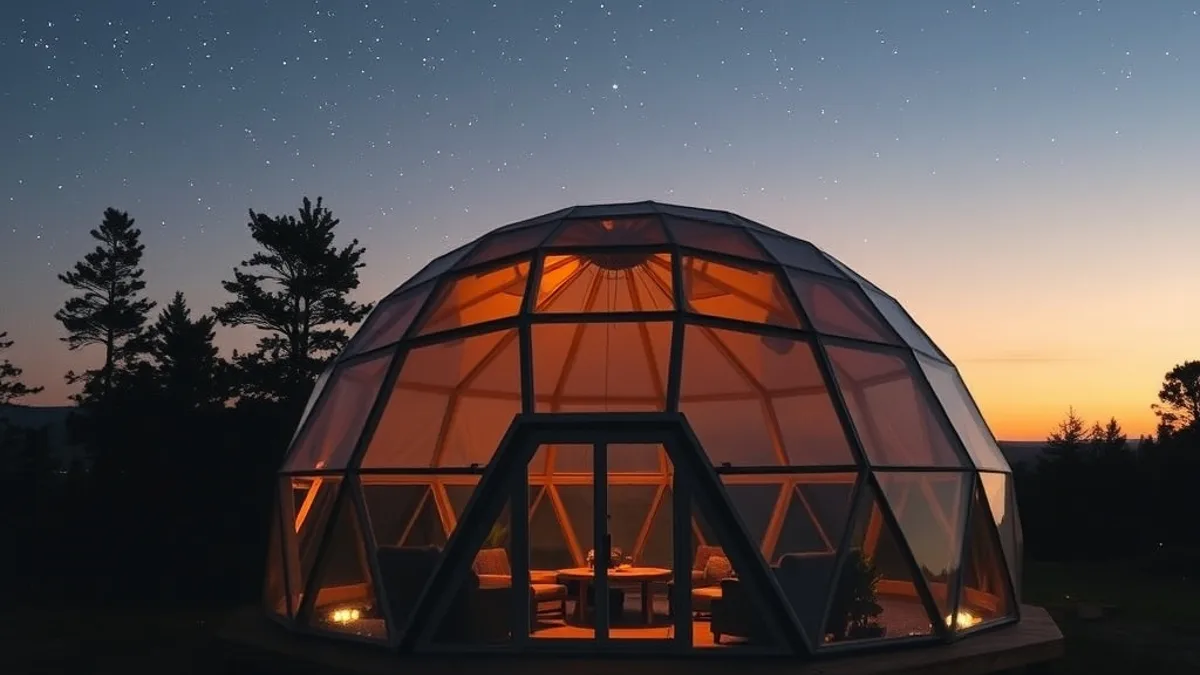
Geodesic domes are where prices climb noticeably. Panoramic windows, insulated panels and private bathrooms push them into the mid-to-premium bracket, and a private hot tub is common at the upper end. Treehouses and A-frame cabins form the top tier: expect full kitchens, multiple rooms and sometimes a fireplace in popular regions.
A few practical differences between these structures are worth knowing before you book, because they affect both comfort and value:
- Bell tent reality check: many budget canvas sites still use communal washrooms and outdoor cooking areas, so pack a headlamp and check the bathroom situation before booking.
- Wood stove bonus: a yurt with a stove lets you travel in colder months, and firewood may be included or sold on site.
- Dome windows matter: stargazing domes with clear roof panels often cost more than ones with standard windows at the same site.
- Treehouse trade-off: some treehouse properties cap occupancy at two adults, which changes the per-person math for families.
- Cabin kitchens save money: a full kitchen in a top-tier A-frame can offset part of the rate if you cook instead of dining out.
In short, match the structure to your trip. A canvas tent suits a short, outdoorsy getaway, while a dome or cabin makes sense when you want weatherproof comfort and plan to spend more time inside.
What’s Included in the Price?
One reason glamping rates look high at first glance is that the nightly price usually covers far more than a patch of ground. Bedding, pillows and towels are almost always included, even in the cheapest canvas tents. In yurts, domes and cabins, you can also expect basic kitchenware: plates, cutlery, pots and a stove or grill for cooking. That means you can arrive with just your clothes and groceries, which is a real saving compared with camping, where you’d otherwise rent or buy much of this gear.
Comfort features scale with price. Private bathrooms and hot tubs typically only appear once you move into the dome and treehouse tier, which is why budget tent sites often rely on shared shower blocks. At the top end, full kitchens, wood-fired saunas and outdoor showers are common, but verify exactly what your unit has before booking, since listings vary widely even within the same site.
Some extras are genuinely included, while others are quietly billed later. Before you book, ask the host or read the listing carefully for:
- Breakfast: sometimes delivered as a basket of local produce, but more often an optional add-on charged per person per morning.
- Firewood: a first bundle is frequently free, while additional bundles or fire pits in high season can carry a per-night charge.
- Activities: kayaks, paddleboards, guided hikes and stargazing sessions are usually rented or booked separately, so factor them into your total.
- Cleaning fees: booking platforms commonly add $50-$150 on top of the nightly rate, which hits short two-night stays hardest and can add a noticeable chunk to the final total.
A quick message to the host before booking can clarify all of this in minutes. Knowing what’s genuinely included helps you compare a simple tent and a high-end dome fairly, rather than judging on the nightly rate alone. Two listings at very different price points can work out closer than you expect once you account for what each one actually provides.
How Season and Location Affect Glamping Costs
Season is the single biggest factor in what you’ll pay for the same tent or dome. During peak summer months (June-August), glamping rates typically climb 30-50% above shoulder-season prices, simply because demand for outdoor stays peaks when school is out and the weather is warmest. The same site that feels like a bargain in early June can feel overpriced in mid-July, even though nothing about the tent has changed.
Location works the same way. Coastal and alpine destinations typically price higher than rural inland sites, since ocean views and mountain backdrops command a premium. A yurt an hour from the coast may sit at the bottom of its price range, while a similar yurt overlooking the water sits at the top or beyond it. If your heart isn’t set on a specific view, inland sites often deliver nearly the same experience for noticeably less.
The Sweet Spot: Late Spring and Early Fall
May-June and September are the value window for most glamping regions. You get near-peak weather, long daylight hours and quieter grounds, at rates well below July and August. September in particular combines warm days with cooler nights that make a wood stove or fire pit genuinely appealing.
Winter is another underrated option. Heated domes and insulated cabins often drop to their lowest rates of the year in the cold months, and there’s real charm in stargazing through a panoramic window from a warm bed. The exception is ski country, where winter becomes the peak season and prices climb instead of falling. If you want a cozy cold-weather stay, look at regions that don’t revolve around downhill skiing, and check current availability and rates with operators before booking.
How to Save Money on Your Glamping Stay
Glamping doesn’t have to eat your whole travel budget. The same dome or safari tent can cost noticeably less depending on when you book and which nights you pick. Unlike traditional hotels, where rates barely budge between a Tuesday and a Saturday, most glamping sites are small operations with just a handful of units, so timing your reservation well can make a real difference. A few simple habits around timing and booking channels can stretch your money further without sacrificing comfort.
- Book 2-3 months ahead. The most desirable units at popular sites — the dome with the panoramic window or the treehouse with the deck — tend to sell out first. Booking early gives you the widest choice of dates and structures, and hosts are often more willing to offer their standard rates rather than peak-demand pricing when demand hasn’t built up yet.
- Pick Sunday through Thursday nights. Weekday stays often save 15-25% versus weekend nights, because most glampers treat these sites as short weekend escapes. If your schedule allows even one or two midweek nights, you’ll pay less and share the site with fewer neighbors — a quiet sunrise from your tent comes free.
- Travel in shoulder season. May-June and September deliver much of the appeal of summer — warm days, usable outdoor space — without the peak-season markup that June through August brings. You’ll often find better availability too, which makes it easier to snag the exact unit you want rather than settling for what’s left.
- Compare direct booking with platforms. Booking platforms are convenient, but they commonly add cleaning fees and service charges that inflate the final total well beyond the nightly rate you first saw. Check the site’s own website or call the host directly before committing. Some operators pass on their savings or throw in extras like firewood or late checkout when you book direct.
None of these tactics requires extra effort beyond a little planning. Stack them together — an early booking, midweek dates in shoulder season, booked through the cheapest channel — and the savings compound nicely. On a three-night stay, combining midweek dates with shoulder-season timing can shave a meaningful chunk off the total, sometimes enough to cover an extra activity, a nicer dinner, or even a second night you thought was out of reach. The key is simply deciding your dates early and staying flexible on which nights you go.
Budgeting Your Trip: Sample Costs Beyond the Nightly Rate
The nightly rate is only part of your glamping budget. Take a mid-range dome stay as an example: two nights at a typical dome rate, plus cleaning fees and platform service charges, usually lands somewhere in the low-to-mid hundreds of dollars in total before you have spent a cent on food or activities. The exact total varies widely, but the difference comes down to season, location and how many add-ons you book. Knowing where the extra money goes makes it much easier to plan.
Meals are the first thing many travelers forget. Some glamping sites have an on-site restaurant or include breakfast, but plenty of remote domes and yurts leave you to cook for yourself. If there is no food service, budget a modest daily amount for groceries and supplies, and more if you plan to grill steaks over the fire pit every night. Check before you book whether the nearest supermarket is ten minutes or two hours away, because a long drive for basics can quietly double your food spending.
Getting there matters too. Remote sites often sit an hour or more from the nearest airport or train station, so car rental or shuttle transfers are usually a real line item rather than an afterthought. Ask the host whether a shuttle exists, since some sites partner with local drivers and can be cheaper than a rental. Finally, leave room in the budget for the fun stuff. Here are the extras that most often appear on the final bill:
- Hot tub or sauna time: some sites include it in the rate, others charge per session, so ask when booking.
- Guided hikes and wildlife tours: a half-day outing with a local guide typically costs more per person than most people expect, so factor it in if it is on your must-do list.
- Kayak, paddleboard or bike rentals: usually charged by the hour or half-day, depending on the equipment.
- Firewood and s’mores kits: small costs individually, but they add up over a multi-night stay if you want a fire every evening.
The Bottom Line on Glamping Prices
So, what does glamping actually cost? The honest answer is that it depends mostly on the stay type. A simple canvas tent starts around $100 per night, while the most upscale cabins sit at the top of the range. Between those poles are yurts, domes and treehouses, each with its own typical price band.
Beyond the structure itself, season and location drive much of the difference, with peak dates and scenic regions pushing prices up noticeably. If you want the best value, aim for weekday stays in shoulder season and book 2-3 months out. Budget for cleaning fees and extras on top of the nightly rate, and glamping becomes just as predictable to plan as any hotel stay. If this guide helped you sort out your budget, leave a comment or share it with a fellow traveler.