Figuring out where to stay in Lisbon is trickier than it looks. The Portuguese capital isn’t one flat, uniform city center but a collection of neighborhoods that feel completely different from one another. Baixa is orderly and central, Alfama tumbles down a hillside, and Bairro Alto comes alive after dark. Add steep climbs, varying noise levels and noticeably different price tags, and choosing a base for your first visit can feel overwhelming.
This guide breaks down the best options for first-timers, starting with the classic base of Baixa and Chiado, where double rooms typically run €120-220 per night in high season. We’ll also cover the atmospheric hillside districts of Alfama and Graça, the nightlife-and-calm pairing of Bairro Alto and Príncipe Real, and quieter riverside stays in Belém. You’ll find practical advice on when to book, how to save, and how to match a neighborhood to your travel style, so you can pick with confidence.
Baixa and Chiado: The Classic First-Timer Base
Baixa is the flat, grid-planned heart of Lisbon, laid out after the 1755 earthquake destroyed most of the medieval city. Its straight streets and squares make it one of the easiest parts of the hilly historic center to get around, especially if you want to avoid the steep climbs you’ll find elsewhere. If you’re visiting with luggage, kids or limited mobility, this level ground makes a real difference.
The location is about as central as it gets. Baixa stretches from the riverfront Praça do Comércio up to Rossio square, putting you within a short walk of many of the city’s main sights. Metro stations, tram lines and trains converge here, so day trips and airport transfers are simple to organize from your doorstep. Chiado, the elegant district just uphill to the west, adds theaters, bookshops and classic cafés to the mix.
What to Expect From Prices and Atmosphere
Convenience comes at a cost: expect to pay around €120-220 per night for a double room in high season, making this the priciest central zone in the city. Rates drop outside the busiest months, so if your dates are flexible you can find better value by shifting your trip.
Baixa and Chiado suit travelers who want restaurants, shops and major sights within a few minutes of their hotel. Trade-offs include crowds during the day and a scene that’s more tourist-oriented than residential. If your priority is stepping out the door and having Lisbon right there, this is the base for you.
Alfama and Graça: Old Lisbon on the Hillsides
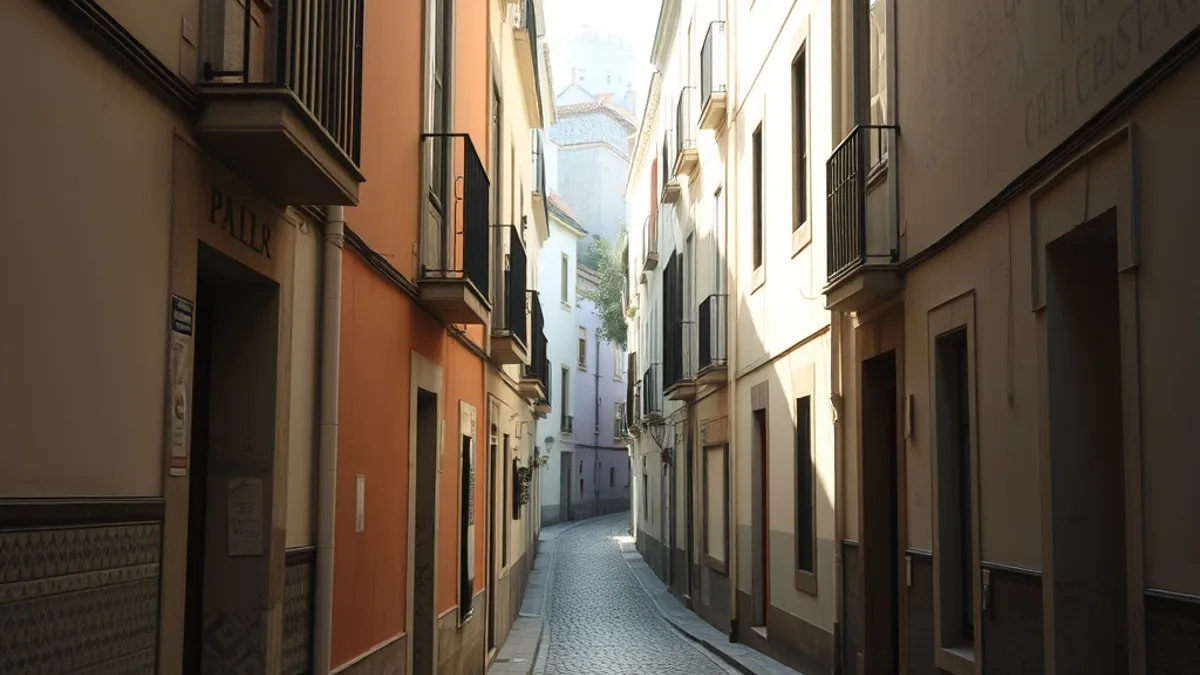
Alfama and Graça are where Lisbon feels oldest. The lanes here predate almost everything downtown, winding downhill in a tangle too narrow for cars in many places. Fado bars sit tucked between residential doorways, and the neighborhood’s miradouros — the famous viewpoint terraces — look out over red rooftops all the way to the Tagus. Despite that old-world feel, you’re not isolated: Baixa is typically a 15-20 minute walk downhill, close enough to pop back and forth during the day.
Rates here tend to run €90-160 per night for a double, noticeably gentler than the downtown core. Many properties are small guesthouses or family-run inns converted from old townhouses, so you trade elevators and lobbies for character and personal service.
Know the terrain before you book
The trade-off is the topography. Alfama and Graça climb steeply, and there are few metro stops in the neighborhood itself. You’ll rely on the historic trams, buses, or your own legs — and the walk home at the end of the day is uphill. If you’re traveling with heavy luggage or have limited mobility, check exactly where a property sits on the slope before committing.
This area suits travelers who prioritize atmosphere and views over step-out-the-door convenience. If your idea of a great evening is a small fado house, a viewpoint with a glass of wine, and getting pleasantly lost on cobbled lanes, Alfama or Graça will reward you. If you want shops and restaurants within a flat two-minute stroll, the downtown grid remains the easier pick.
Bairro Alto and Príncipe Real: Nightlife Versus Leafy Calm
Bairro Alto is Lisbon’s bar district, and it doesn’t pretend to be anything else. By day, its narrow streets are quiet, with shuttered taverns and locals going about their errands. After dark, the neighborhood transforms: crowds spill between bars, and the noise carries on well into the early hours. If you stay here, choose a room facing an interior courtyard or ask specifically about soundproofing, because street-facing rooms in the thick of it can be tough for light sleepers.
Why Príncipe Real Is Next Door
Príncipe Real, just uphill from Bairro Alto, offers a completely different rhythm. It’s a leafy, residential-feeling quarter with independent boutiques, concept stores and small restaurants around its central garden. Families and couples who want a calmer base with character tend to do well here, and the傍晚 stroll to a miradouro for sunset views is an easy habit to fall into.
Keep one practical point in mind: both neighborhoods sit on a hill above the center, so factor the climb into your daily plans. You’ll typically rely on the funicular, elevators or a bit of legwork to get between your accommodation and downtown, and hauling luggage uphill is no joke.
Where this pair shines is in the middle ground it strikes. Rates generally land between Baixa prices and Alfama character, so you get personality and greenery without the steepest hills or the steepest bills. Check current rates before booking, as they shift with the season.
Belém and the Riverside: Quieter Stays Outside the Core
Belém sits along the Tagus River at Lisbon’s western edge, about 20-30 minutes by tram from the center. This is where you’ll find two of the city’s most famous landmarks: the Jerónimos Monastery, a masterpiece of Manueline architecture, and the Belém Tower standing guard at the water’s edge. Both draw plenty of day visitors, but the crowds thin out noticeably by late afternoon.
Compared with downtown, Belém has far fewer hotels and a much more residential pace. You won’t step out your door into a wall of restaurants and shops the way you might in the central districts. Instead, you get quiet streets, green spaces like the gardens near the monastery, and a local rhythm that feels a world away from the tram-jammed center.
Who Belém Suits Best
For most first-timers, Belém works better as a half-day trip than a base, simply because of the distance from the main sights and dining scenes. But it can be a smart pick for second-time visitors who have already seen the central neighborhoods, or for first-timers with a relaxed itinerary who don’t mind a tram ride into town each day.
One genuine advantage is the riverside itself. The paths along the Tagus are flat and easy to walk, a welcome contrast to Lisbon’s hilly center. You can stroll between the monastery, the tower and the waterfront promenades without a single steep climb, which makes this area worth considering if hills are a concern.
When to Book and How to Save on Your Lisbon Stay
Lisbon rewards flexible travelers with noticeably better prices, and timing is the biggest lever you control. The same guesthouse room can cost a third more in August than in May, simply because of demand. Hotel rates in the city move with events, school holidays and even conference calendars, so two bookings in the same neighborhood a week apart can differ sharply. The good news is that you do not need insider contacts to benefit; you just need a sensible sequence and a little patience. Here is a practical order of steps for locking in a good deal without sacrificing location.
- Pick shoulder-season dates if your schedule allows. April-May and late September-October bring milder weather and thinner crowds than the June to September high season, and rates tend to drop with them. You still get long daylight hours and most outdoor attractions open.
- Book early if you must travel in summer. For high-season trips, reserve 2-3 months ahead. Central places with good reviews sell out first, and last-minute options in July or August are usually the ones left over.
- Give yourself a shorter lead time in shoulder season. Booking 4-6 weeks out is typically enough in April-May or October, when availability is wider. This also lets you watch prices for a few weeks before committing.
- Favor midweek arrivals. Tuesday and Wednesday nights often cost less than Friday and Saturday in the same neighborhood, since weekend demand comes from short-break visitors. Shifting your check-in by a day or two can trim real money off a week-long stay.
- Compare stay types before choosing. Guesthouses, apartments and hotels each price differently and include different things. An apartment with a kitchen can cut food costs, while a small hotel may include breakfast that offsets a slightly higher rate.
One more habit that pays off: check the cancellation terms before you commit. A flexible rate lets you rebook if prices dip closer to your dates, which happens more often than you might expect outside peak summer. Set a simple price alert on your booking platform and check it every few days rather than obsessively; rates in Lisbon tend to move in small steps rather than dramatic swings. It also helps to compare the same room across two or three booking sites before deciding, because identical rooms are not always listed at identical rates. Finally, remember that the cheapest room is rarely the best deal if it sits at the top of one of Lisbon’s steep hills with heavy luggage in tow. A slightly pricier flat-rate room near a metro stop often beats a bargain that costs you a sweaty climb every morning.
How to Choose Where to Stay in Lisbon for Your Trip
Lisbon has no single “best” neighborhood, only the best match for how you travel. For travelers who want to reach sights, cafés and shops on foot without much planning, the flat, walkable grid of Baixa and Chiado does that better than anywhere else. If atmosphere is what you are after, tile facades and fado drifting from doorways, Alfama delivers it, at the cost of steep lanes. And if calm, gardens and a residential feel matter most after a day of sightseeing, Príncipe Real is the natural pick.
Before you book any room, look at a map with elevation in mind. Lisbon’s historic center is hilly, and a charming address can sit at the top of a long climb. Travelers with luggage or limited mobility should check how close the nearest metro station or bus stop actually is, not just how it looks on a listing photo. A slightly higher nightly rate near a metro entrance often beats a cheaper room that requires a downhill-and-uphill walk every day.
Noise is the other factor first-timers underestimate. Narrow streets funnel sound, and nightlife zones stay loud well past midnight. Read recent reviews specifically for words like “quiet,” “street noise” or “bars nearby,” and favor stays on the same floor level as the street if you are a light sleeper.
- Check the exact walking route, not just the distance. A hotel 800 meters away can mean an easy flat stroll or a staircase shortcut that is miserable with a suitcase.
- Look at the floor level of the room itself. In older buildings without elevators, a “third-floor walk-up” listing detail matters more than the neighborhood name.
- Verify late-night transit options. Some metro and tram lines thin out after midnight, so confirm how you would return from dinner if you stay outside the core.
- Weigh the total trip cost, not the nightly rate. A lower price per night can be erased by daily taxi or rideshare trips back from the outskirts.
Final Thoughts on Lisbon’s Best Areas for First-Timers
Choosing between Lisbon’s neighborhoods comes down to what kind of trip you want. Baixa and Chiado work best if convenience is your priority, Alfama and Graça deliver old-Lisbon atmosphere on the hillsides, and Príncipe Real sits somewhere in between with gardens, boutiques and a calmer feel. Each area has its own hills, noise levels and price points, so the right base depends on your pace, budget and how much climbing you’re willing to do.
Timing helps too. Shoulder-season dates in spring and fall bring milder weather and softer rates, and booking a few months ahead keeps central stays affordable. Whichever neighborhood you pick, Lisbon rewards travelers who match their base to their style rather than chasing a single “best” area. If this helped you plan your stay, leave a comment or share the article with a fellow traveler.